
One of the more common birds you’re likely to spot working the mud flats at low tide is the egret. Brilliant white, these birds can often be seen from some distance, their stark colouration making them stand out against their more muted background. But with several species occurring on the Australian east coast, how do you know which one you’re looking at? We had struggled with their identification for some time until a developing East Coast Low (aka temperate cyclone) forced us to extend our stay at Lake Macquarie, which gave us the opportunity to go birdwatching with our friend Natalie. She’s a birding enthusiast with a lot of ornithological knowledge that she’s happy to share. While size can be helpful to differentiate the Great, Intermediate and Little Egrets, as their naming suggests, you rarely see them lined up next to one another. So it turns out that you have to focus on other features, in particular the curvature of the neck, the yellow streak (gape) beneath the eye, and leg / bill colour.
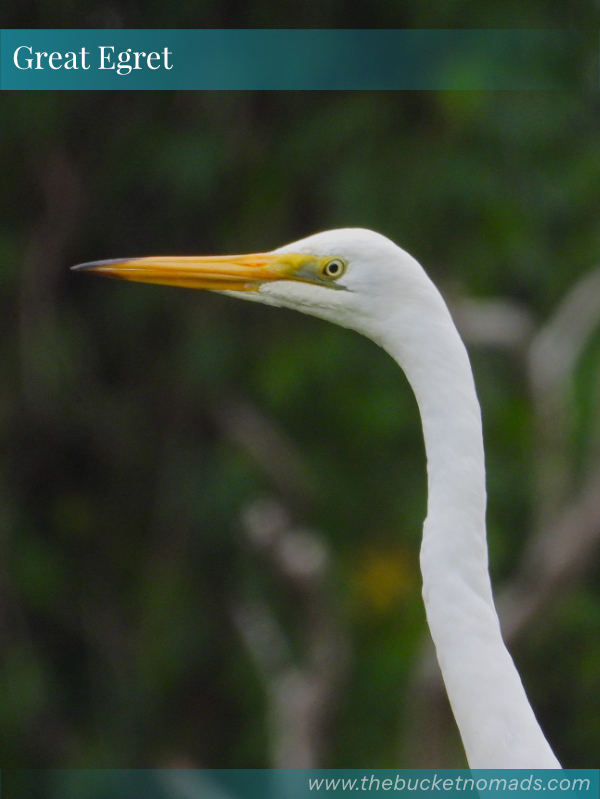
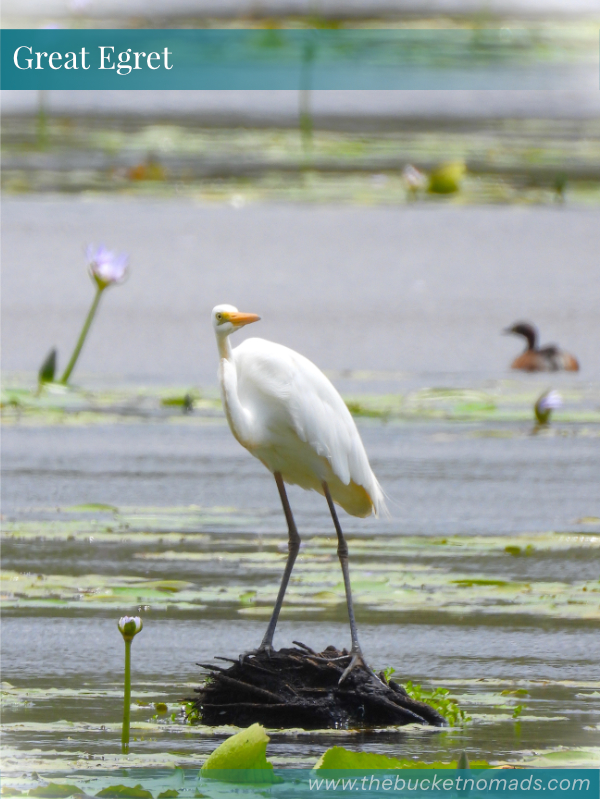
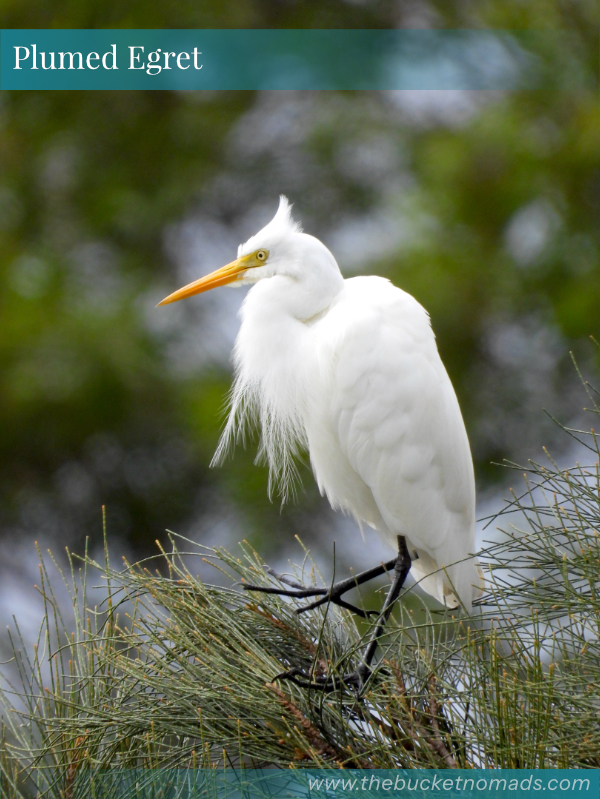
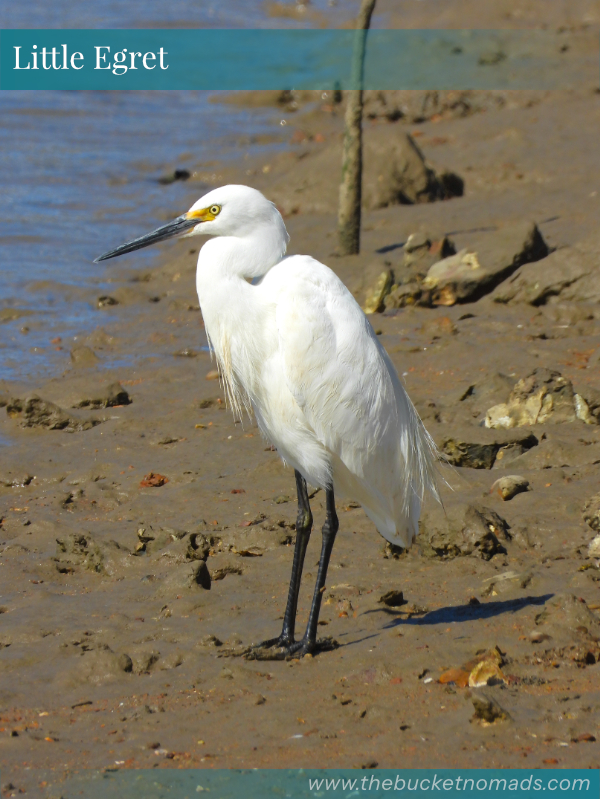
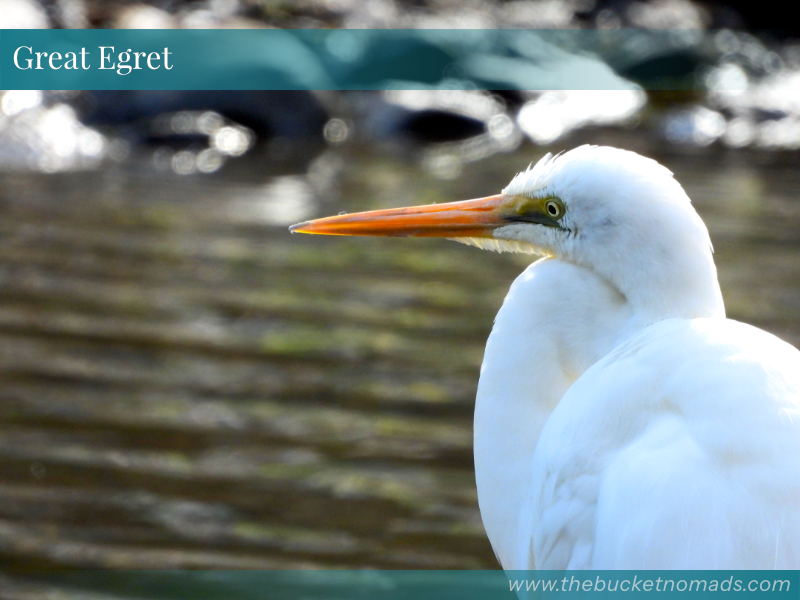
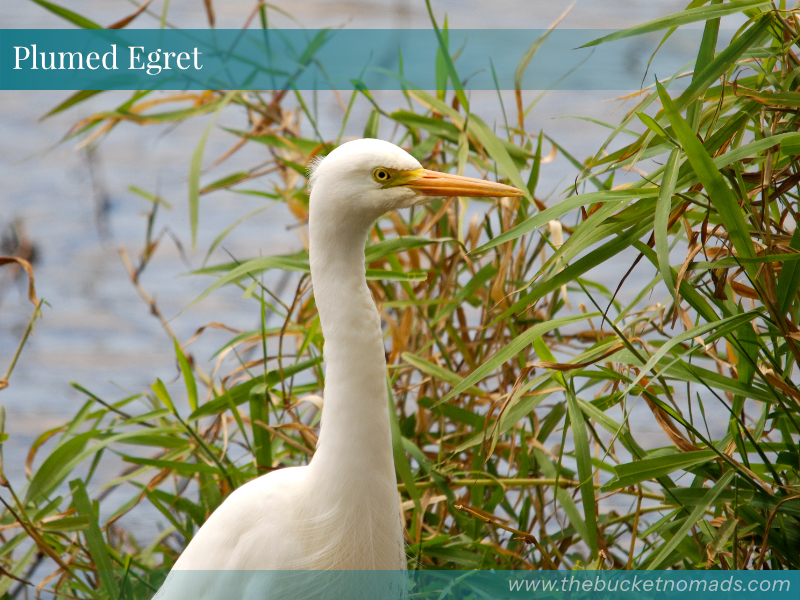
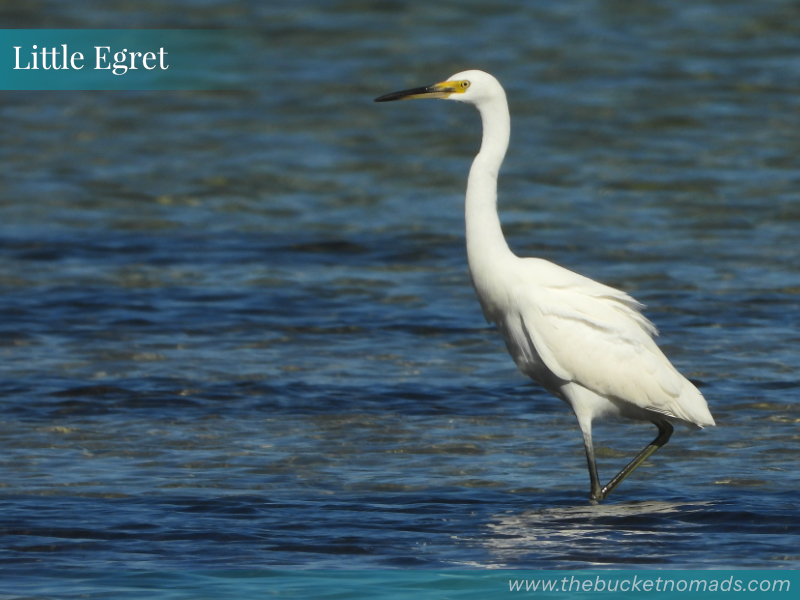
The Great Egret can be differentiated from an Intermediate by its kinked neck (as opposed to curved) and its gape extending beyond its outer eye limits. When in breeding season, the Intermediate Egret has a long plume of feathers that it displays in courtship, and for this reason is more correctly known as the Plumed Egret. And that leaves the Little Egret, which also displays fine lacy filamentous plumes when breeding but can be identified by its black legs and entirely black bill (but it still has a yellow face). Now it’s simple – thanks, Natalie.

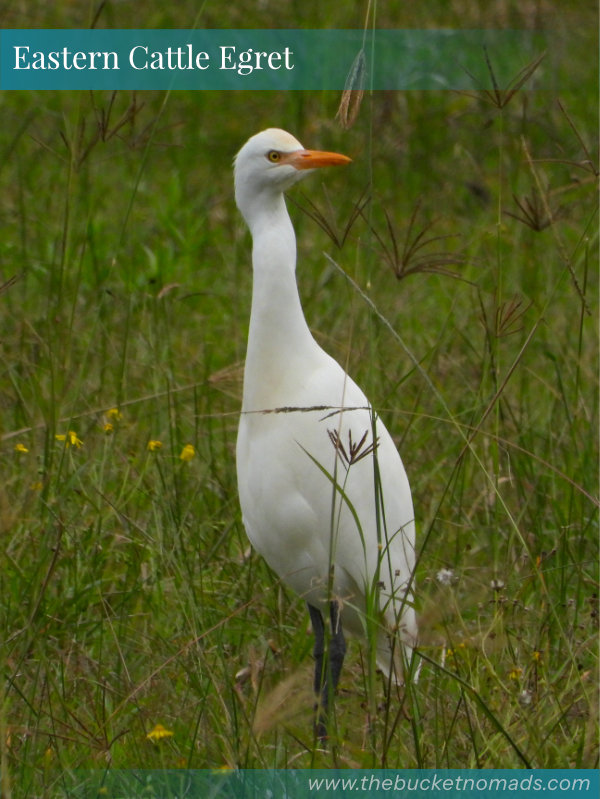
Note that although breeding Eastern Cattle Egrets have extensive golden orange plumes, their non-breeding and juvenile counterparts also have predominantly white plumage. However, no confusion should arise as this species is usually found in pastures with livestock and typically adopts a hunched posture unlike the Plumed and Little that stand tall. Similarly, while the Pacific Reef Heron has a less common ‘light morph’, which can be confused with an egret, it can be identified by its much shorter and thicker legs that give an unbalanced neck-to-leg ratio.






 The Bucket Nomads
Leave a comment